
Spain's eight commandments
and the Andalusian Deal.


Launched in 2023 by its regional tourism board, the Andalusian Crush campaign was lauded a marketing masterpiece.
Its latest campaign is better.
Where Andalusian Crush focused on luring visitors to a place that didn’t need any helping in luring, The Andalusian Deal looks at both sides of the tourism coin, capturing a tension that built gradually, then suddenly, across Spain.
It also made me think back to my conversation with James Blick of Spain Revealed.
As James put it:
“I think it starts with recognising that two things can be true at the same time: tourism is a net good - it brings money, promotes cultural exchange, and supports livelihoods - but it can also have real negative consequences. Tourists, by nature, use resources and put pressure on local infrastructure and housing. So the goal is to try to keep the balance in check - to ensure the benefits we bring as visitors outweigh the burdens.”
2025 was a record year for tourism in Andalusia, with 37.9 million visitors - up 5.2% on the previous year.
Its economic impact surpassed €30 billion for the first time.
As is the way across Spain, however, most of that pie predominantly benefits the welfare of the well to do.
In a letter to El País this week titled Tourists and neighbours, a Barcelona resident wrote:
“Platforms and businesses talk about the economy, but in our neighbourhoods we talk about everyday life: noise, doorways converted into reception areas, shops that abandon essential services for more profitable ones. And above all, it’s frightening that living here has become a privilege. A city cannot boast of its success as a tourist destination if it loses its residents.”
That Andalusia’s regional government felt compelled to launch a campaign telling visitors how to behave tells you everything about where mass tourism in Spain has arrived.
Firstly, The Andalusian Deal is a gorgeous tribute to the authentic Andalusia. The people and its plazas and patios. The food and the folklore. The colour and the character.
It also sets out redefine the region’s tourism model through eight commandments - a list of rules to help visitors move away from the anything-goes-when-on-holiday mentality towards coexistence, social responsibility, and respect for local identity.
The campaign opens with a direct challenge: “To our tourism, we offer our hospitality - as long as it accepts the Andalusian Deal.”
While the campaign is rooted in Andalusia, these eight lessons apply everywhere in Spain.
1. Support local people
“Our people. Get your prawns at Amanda’s stall and have a little glass of wine at Curro’s bar.”
The best thing about Spain is barrio life - the noise and busy-ness of its bars and markets. These local businesses are the lifeblood of the neighbourhood, and they are under threat. Every time a visitor chooses the path of least resistance - an international chain - the barrio loses out.
So when in Spain, buy your fruit at the local frutería. Get your terrible torrefacto coffee at the local café bar. It’s still better than Starbucks.
And here's the thing: if you return to the same place even two or three times for your café con leche, you'll be treated as a local.
2. Spread out
“Our land: There is nothing grander than it - the centre is big, but there is so much more out there.”
According to El País, 90% of Spain's population is packed into just 2.6% of its land area - the highest concentration in Europe.
Tourism follows the same pattern, piling into the same handful of cities and coastal strips while vast swathes of the country go largely undiscovered.
As James Blick told me, the rewards for making a little effort to explore emptier Spain are huge:
“When I think about where to go for a more off-the-beaten-path experience in Spain, the truth is: the minute you step off the main train lines or highways, the country opens up into a whole other world of incredible - and often overlooked - places. You will see national tourism in these places, but very little international tourism. Often you’ll need to rent a car, and that alone adds a bit of friction to the trip - fewer English speakers, simpler accommodations, longer travel times. But I think that’s part of the reward. You get a much deeper, more memorable experience.”
3. Respect your host’s space
“Our freedom. Our right to also enjoy our home and the best beaches in the world.”
Locals have as much right to enjoy their plazas and terrazas as any visitor.
Spain is a loud land. As Giles Tremlett wrote in Ghosts of Spain: “Newspaper occasionally report on how the noise levels of Madrid or Barcelona pose a danger to health and sanity… Yet Spaniards seem to need noise.”
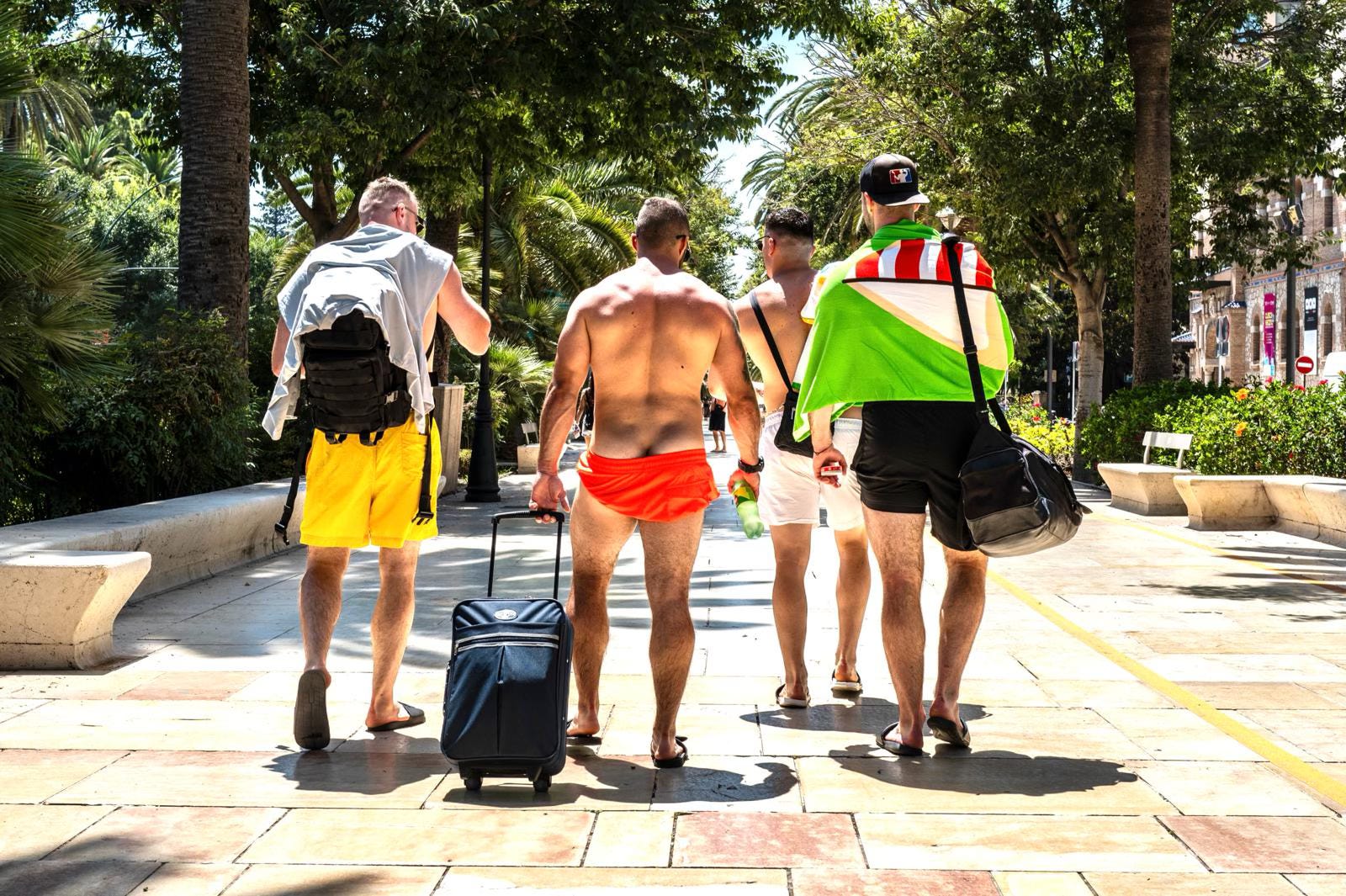
People in Spain are all for enjoying life and having a good time with friends - but what has tipped residents over the edge in cities like Málaga is something else entirely: roaring drunkards passing through residential streets at 4am, people urinating in doorways where families and elderly residents live, trash left on stairwells.
And when rolling their Rolser trolleys back home after a trip to the market, locals don’t want to pass a parade of sunburnt backs and ass cracks. Put that stuff away.
You’re a guest in their city, not the other way around.
4. Eat local and seasonal
“Our food. Eat everything, but make sure it’s from here - like gazpacho. It’s not ‘tomato soup.’”
One of Spain’s greatest strengths is the variety of its regional food identity. Every region has its own ingredients, its own traditions, its own seasons, its own way of doing things.
Frying is the dominant cooking method in Andalucía. In Galicia, boiling is.
But as James Blick pointed out, that diversity is also under threat:
“On a recent trip to Mallorca, my guide Alex pointed out that the problem isn’t just the influx of tourists - it’s also the homogenisation of culture. You’re starting to see the same ‘Spanish’ food everywhere: tapas, paella, and so on, even in places where those dishes aren’t traditionally from. In Mallorca, for instance, paella isn’t local - but there are incredible local rice dishes that are starting to disappear. So seek out what’s really local. Ask: ‘What do people from here eat?’ And support the places that are preserving that unique identity. That kind of curiosity can go a long way in protecting cultural diversity.”
So skip the re-heated paella in Madrid’s Plaza Mayor.
You don’t need an eggs benedict brunch when you visit Barcelona.
Every region in Spain has extraordinary local ingredients and dishes - go find them.
5. Siesta time is sacred
“Our rest. The siesta is more sacred than the fiesta. Respect it.”
In recent years, I had started to think the siesta was on the way out - until I saw that my four-year-old daughter had her own designated bed, pillow and blanket for siesta in school. They start them young.
The idea that an entire country disappears to bed for two hours is, of course, fantastical. Children need to be collected from school, fed, dropped to their grandparents or rushed to after-school activities. Life doesn’t actually stop. But what Spaniards do take seriously is el descanso de los vecinos: the right of those who live in the neighbourhood to rest.
In 2026, most non-chain shops in Spain still close between 2pm and 5pm. The shutters come down. Plan around it - because Spain certainly doesn’t plan on changing anytime soon.
6. Culture isn’t a souvenir
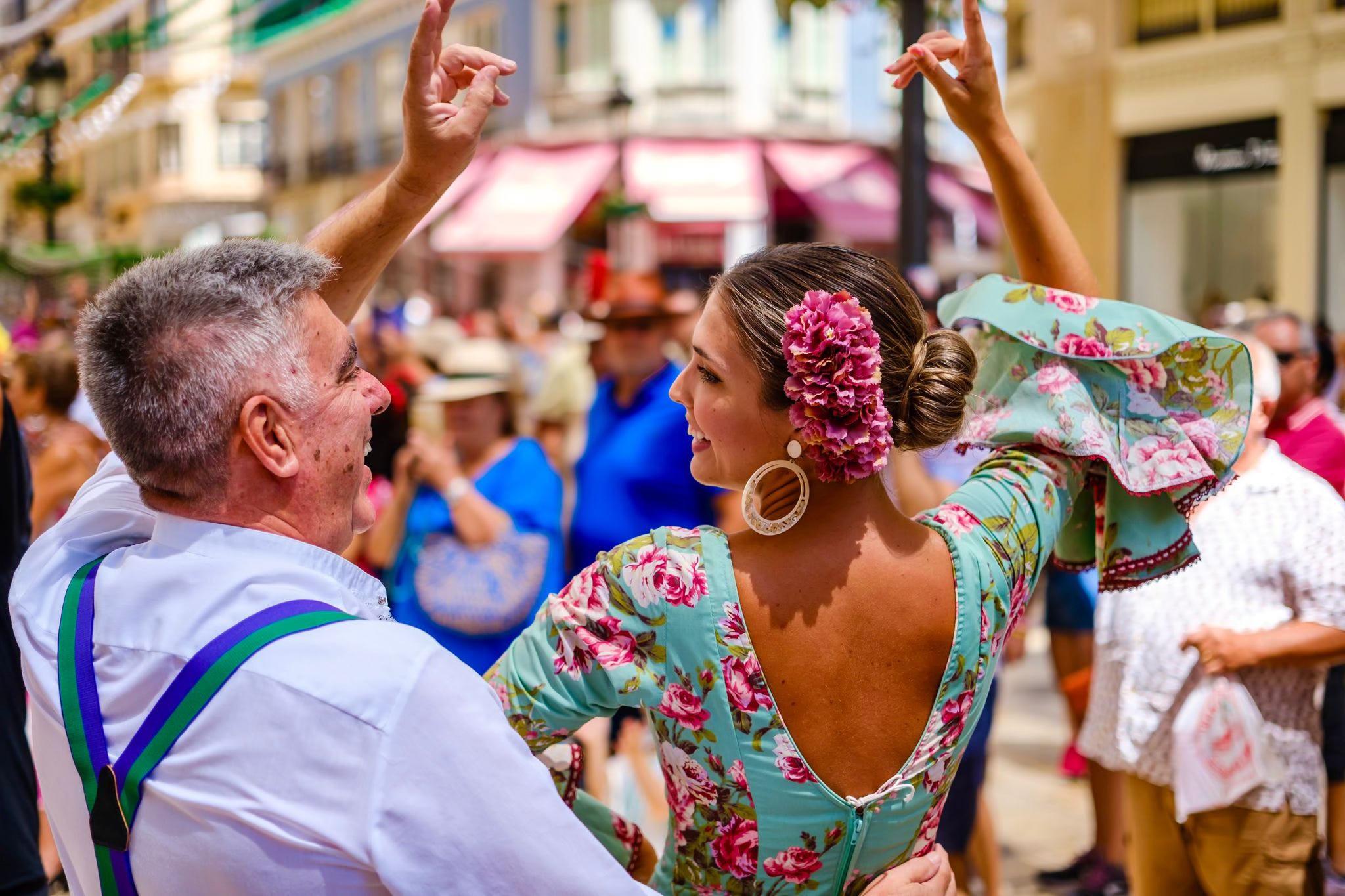
“Our culture. It’s not sangria, nor is it just flamenco, nor can it be bought in souvenir shops. It is lived.”
I see flamenco souvenirs in shops here in Galicia - about as far from flamenco country as you can get in peninsular Spain. That tells you everything about how tourism homogenises culture, reducing an entire country to a handful of lazy symbols that have nothing to do with the place you are actually standing in.
As The Andalusian Deal makes clear, local customs carry immense local meaning. The solemn processions of Semana Santa aren’t performances put on for visitors. They can’t be packaged or purchased. But they can be enjoyed and appreciated.
7. Go easy on natural resources
“Our water. Of course you can have a shower, but make it quick. There’s no room for waste here.”
Spain has just had its wettest winter since 1996. But water shortages will return. Andalusia is one of the driest regions in Europe and about 40% of Spain is already at more than 50% risk of desertification.
But it’s not just about water. As James Blick pointed out, most of us are prone to leaving everyday habits at the departure gate when going on vacation:
“When we’re on holiday, we tend to opt out of the habits we follow at home — like recycling, reducing plastic, or being mindful about energy use. But we shouldn’t. Ask your accommodation where to put the glass and plastic. If you’re in an Airbnb, let the host know you expect proper waste management. Those small actions matter too.”
8. Be sociable
“Our streets. Dear tourists, behave yourselves, eh? It costs nothing to say hello. Buenos días, vida mía. Buenas tardes, corazón.”
One of the things I love most about living in Spain is the daily ritual of greetings - how completely normal it is to say buenos días to the stranger in front of you in line at the bakery.
Every day, passing through the plaza after school, my daughter and I make a point of saying hello to a local abuela or abuelo. This usually turns into small talk about the rain or school. I adore these chats because I always learn something about Spain.
But more than one of these chats ended with words that stopped me in my tracks: “thanks for stopping and talking to me.”
You don’t need to be fluent in Spanish to say hola or buenos días to someone. But you would be amazed at the difference it can make to someone’s day.
Art of the deal
Spain continues to edge towards the 100 million annual tourists mark. At the same time, its resident population has just hit 49.5 million - the highest in history.
In the areas where most people want to live, the pressure on local communities keeps building. We have seen the anti-tourism protests - in the Canary Islands, Barcelona, Málaga. They make for great clickbait.
But Spaniards are not anti-tourism. They are against not being able to afford a home.
Shawn Hennessey - a Seville local since 1992 - put it plainly in her Substack piece:
“Truth is, nobody I know here (Sevilla) is anti-tourist or anti-tourism. At least no one I've talked to during the 32 years I've lived here. What we are is anti-overtourism, anti-destruction-of-our-culture, anti-loss-of-identity... and we are especially anti-losing-our-homes caused by little or no government control over this fast moving easy-money industry presently running roughshod all over Spain.”
The frustration is genuine. But, as James Blick reminded me, so are the people of Spain.
“It’s a welcoming place to visit. Spanish people are generally warm and open, and I hear time and again that visitors feel genuinely well-treated - in restaurants, hotels, wherever they go. That friendliness really shapes Spain’s strong reputation as a destination.”
The Andalusian Deal closes with a final appeal: “We ask our tourists to come to Andalusia and sign with their soul what we offer them with our hearts.”
It's a deal built on dignity, solidarity, and the courage to say enough is enough.
This week, by refusing the United States permission to use bases in southern Spain to continue its attacks in Iran, prime minister Pedro Sánchez showed the world that Spain practises what it preaches.
It already paid heavily for getting dragged into someone else’s stupid war (again by the United States) with the 2004 Madrid train bombings.
It refuses to be dragged into another.
In a New York Times guest essay this week, Valencia-based journalist Paco Cerdà wrote:
“Spain said no. No to war, and no to that contagious, paralyzing and sycophantic fear that Mr. Trump tries - so often successfully - to instill, both in his own country and abroad.”
Fitting, then, that it’s Andalusia - the region of Picasso and Paco de Lucía, a place with art running through its veins - that has reminded us what a fair deal looks like.
Not the Donald Trump type where might makes right. The kind where both parties win.
Until next time,
Brendan
***You can support the research, translation, writing, editing, and newspaper subscriptions behind this content with a one-time contribution - gracias!***
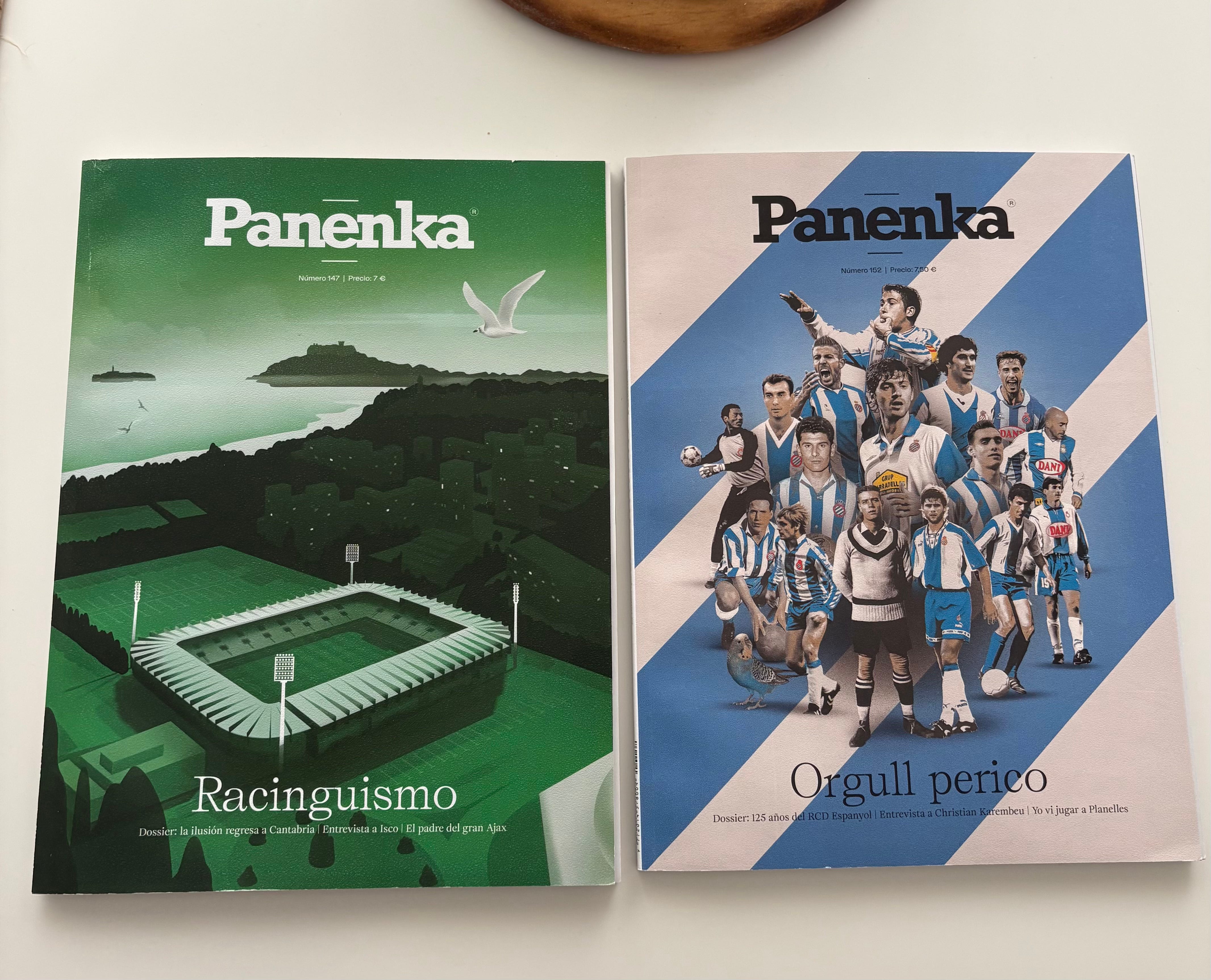
Photo of the week: Catching up on some Panenka magazines with specials on Racing Santander and Espanyol. If you’re a fan of Spanish football or sport in general, get yourself a copy when you’re next in Spain.
Another excellent article but, remember down here it's bueno dia 😎
City centers should crank up Airbnb and hotel taxes so that visitors pay for the security, cleanliness, utilities and infrasructure needed to support them. In Barcelona, tourist taxes are #7-11 per night...A ticket to Disneyland costs €150 PP